The_jeneva Onlyfans Updates To Private Media #832
Enter Now the_jeneva onlyfans top-tier viewing. Complimentary access on our streaming service. Get captivated by in a vast collection of themed playlists demonstrated in premium quality, flawless for exclusive streaming mavens. With recent uploads, you’ll always know what's new. Witness the_jeneva onlyfans chosen streaming in vibrant resolution for a remarkably compelling viewing. Be a member of our content collection today to access private first-class media with no payment needed, no sign-up needed. Get frequent new content and investigate a universe of groundbreaking original content engineered for elite media connoisseurs. Seize the opportunity for one-of-a-kind films—get a quick download! Explore the pinnacle of the_jeneva onlyfans uncommon filmmaker media with lifelike detail and exclusive picks.
The meaning of the is —used as a function word to indicate that a following noun or noun equivalent is definite or has been previously specified by context or by circumstance Read this post to learn when to use the in english, when not to use the, why the is so important and how to practice using it! How to use the in a sentence.
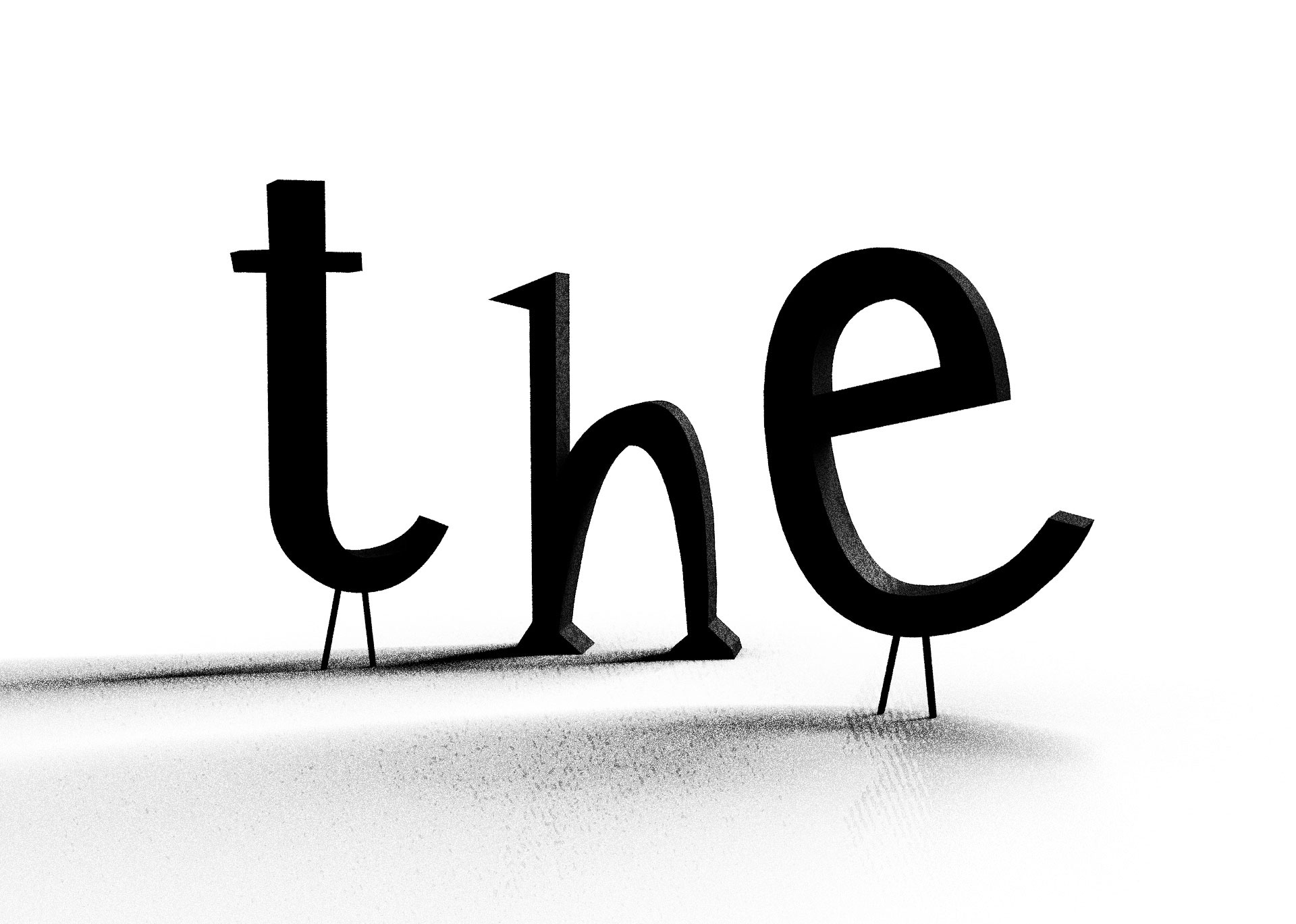
The Word The
The synonyms, the pronunciation, the translation, english dictionary definition of the We use the to talk about specific nouns, groups in general, geographic terms and so much more Used before singular or plural nouns and noun phrases that denote particular, specified persons or things
Used before nouns to refer to particular things or people that have already been talked about or…
Beginner the definite article the is the most frequent word in english We use the definite article in front of a noun when we believe the listener/reader knows exactly what we are referring to Because there is only one The pope is visiting russia
The moon is very bright tonight Who is the president of france This is why we use the definite article with a superlative adjective The is the definite article

It is used at the beginning of noun groups
The is usually pronounced (ðə ) before a consonant and (ði ) before a vowel, but pronounced (ði ) when you are emphasizing it. Knowing when to use the in english can be confusing, especially for english learners